

Across the mining industry, there is increasing discussion around Collision Avoidance Systems, Machine Interface Controllers, intervention controls and autonomous-ready operations. But are we focusing on the top of the hierarchy before optimising the foundations? One of the most common misconceptions is that the EMESRT model is a technology ladder. It is not.
The EMESRT Vehicle Interaction framework is a hierarchy of controls. Technology only appears in the upper layers:
✅ Level 7 – Operator Awareness
✅ Level 8 – Advisory Controls
✅ Level 9 – Intervention Controls
Everything below that is about site design, segregation, operating procedures, authority to operate, operator competency and operating compliance.
That raises an important question:
Can a site truly be Level 9-ready if visibility, awareness and operational controls have not yet been optimised?
In our latest APS thought leadership article, we explore:
- why visibility remains one of the most underutilised safety controls available
- the difference between awareness, advisory and intervention systems
- why Levels 7- 9 sit on top of a broader framework of controls
- what “Level 9 ready” really means
- why the strongest collision avoidance strategies begin before intervention technology is introduced
At APS, we believe safer outcomes are achieved when organisations build a practical pathway from visibility and awareness through to advisory and intervention controls, rather than viewing any one technology as a silver bullet.
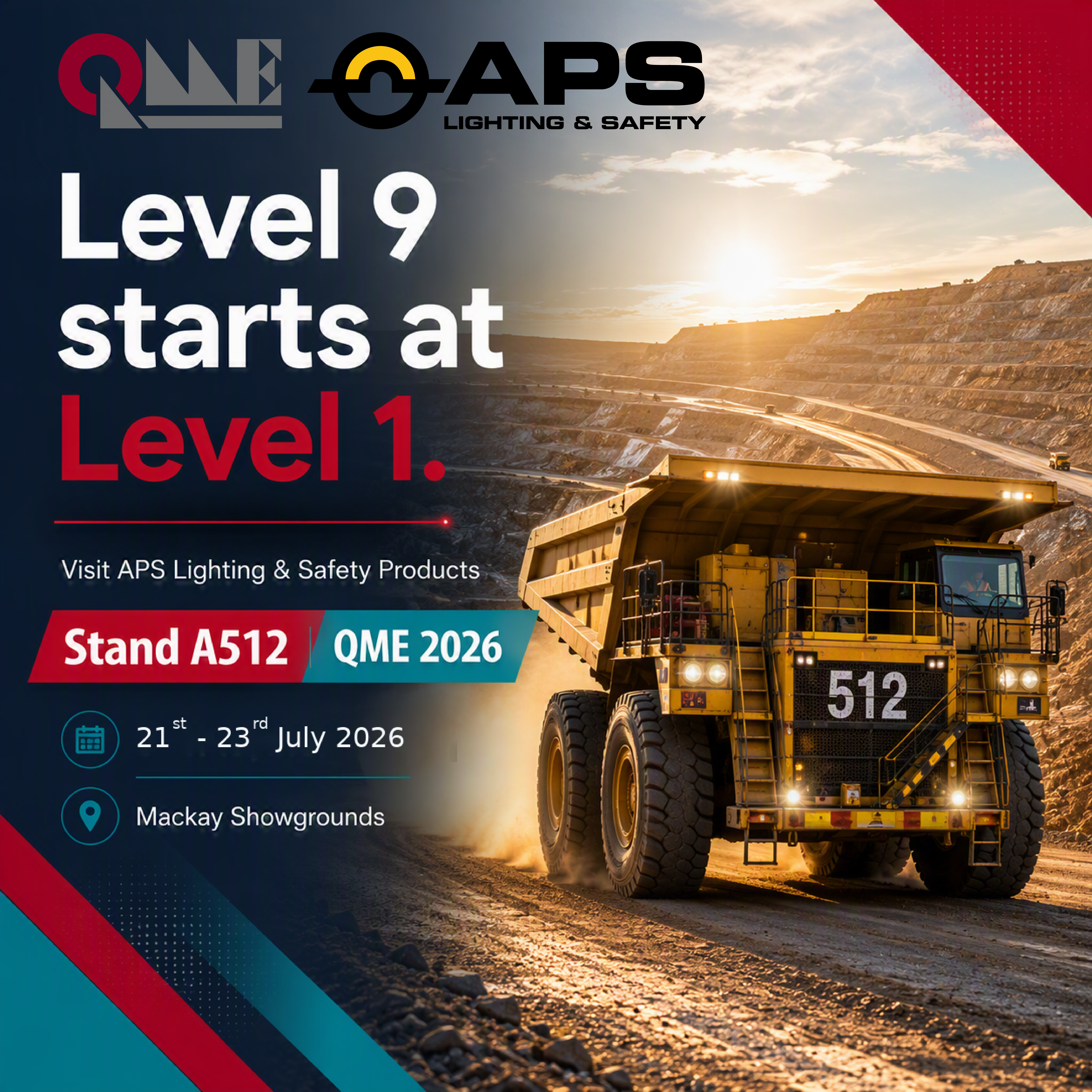
If you are attending QME 2026, we would welcome a conversation about visibility, situational awareness and practical pathways towards becoming Level 9-ready.
 English
  Spanish